
Our Work
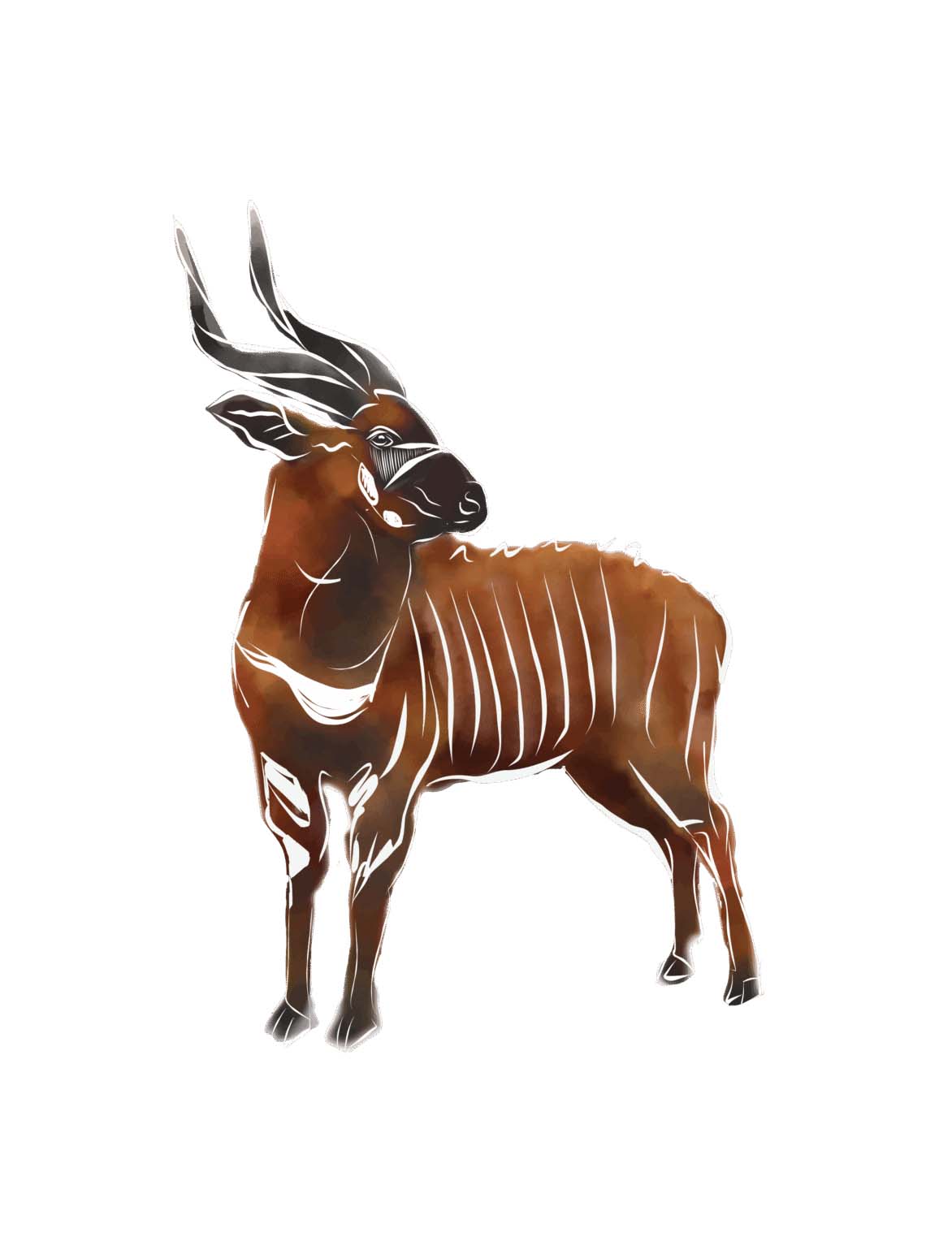
Bringing the Mountain Bongo Back from the Brink
A Unified Vision For Recovery
A coalition of conservationists, scientists, and local communities is working to save the mountain bongo from extinction. With fewer than 65 individuals left in the wild, this species’ survival depends on urgent, collaborative action — and hope is far from lost.
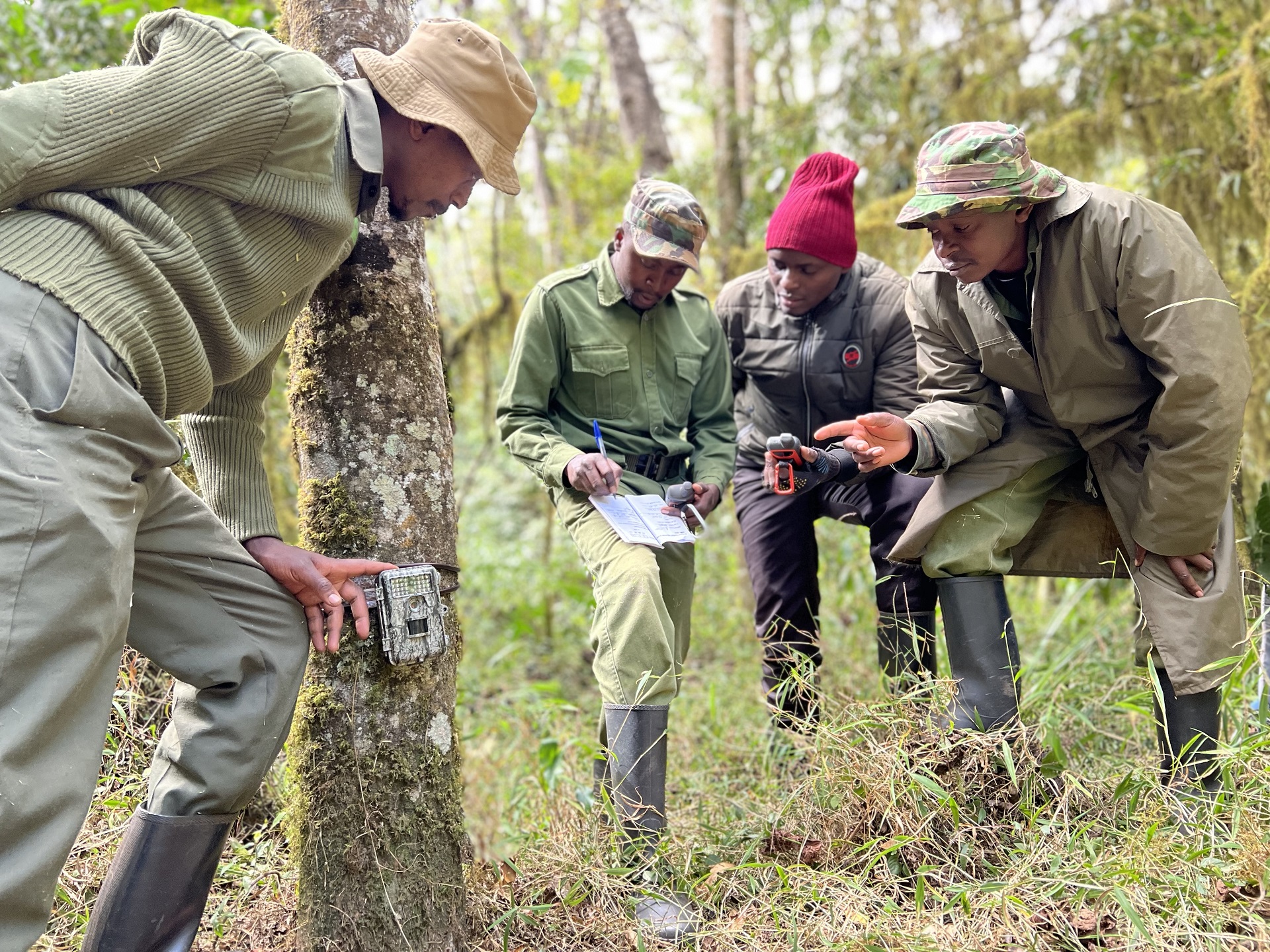
Our work is guided by the Kenyan National Bongo Taskforce, a coalition of experts, conservation organizations, government agencies, and community representatives brought together under the Mountain Bongo National Recovery and Action Plan. This plan provides a science-based, collaborative framework for restoring mountain bongo populations in Kenya and protecting their habitat. The Taskforce coordinates all recovery activities — from habitat restoration and anti-poaching to research, captive breeding, and reintroductions — ensuring that all partners are working toward a shared national vision. It’s a model of conservation in action: inclusive, strategic, and rooted in local leadership.
Read the full document here.
A New Chapter for the Mountain Bongo
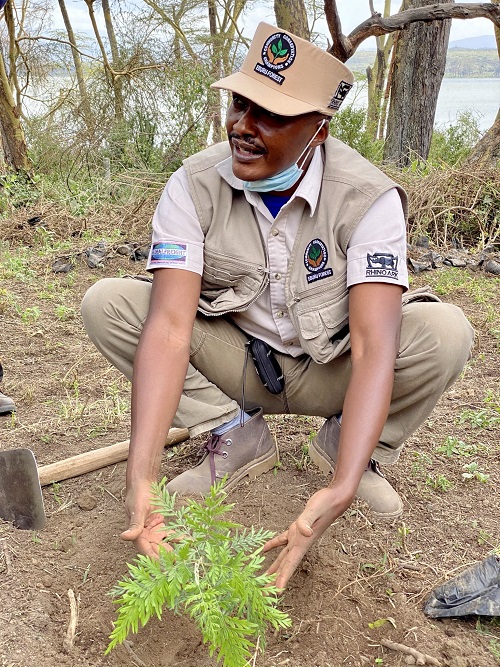
One of the main aims of the trust is to reintroduce mountain bongo back into the Ragati & Chehe Forest, their former home.
This effort is reintroducing mountain bongos from accredited breeding programs back into their ancestral habitats, supported by long-term monitoring, habitat protection, and community engagement.
Currently, approximately 500 mountain bongos live in managed care in zoos and conservancies worldwide — a genetic lifeline for the species. Carefully selected individuals are now being prepared for life in the wild, where they will help reestablish viable, free-ranging populations.
Community-led Conservation in Action
At the grassroots level, we’re working hand-in-hand with forest-edge communities to protect and restore the ecosystems where mountain bongo live. Our initiatives include:
- Training local forest rangers and scouts
- Supporting sustainable forest use and alternative livelihoods
- Conducting participatory research and education workshops
- Mobilizing youth and schools through conservation clubs
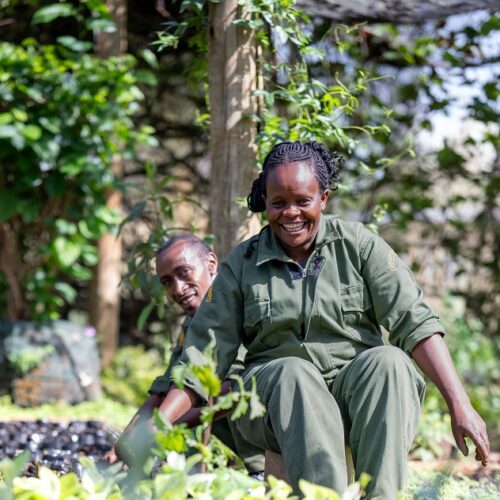
Photo Credit: Robin Around Kenya
Mount Kenya & Ragati Chehe Forests
Mount Kenya, Africa’s second-highest mountain, lies 180 km north of Nairobi along the equator. It is a UNESCO World Heritage Site, recognized for its dramatic landscapes and extraordinary biodiversity — from glacier-capped peaks to dense montane forests.
Our work is centered within the Ragati Chehe Forest, located on the southwestern slopes of Mount Kenya.
This area was historically home to wild mountain bongo herds, particularly around the Biruiru Hills of Ragati, where mineral-rich salt licks provided essential habitat features for the species.
The region was highlighted in ecological studies as a former stronghold for the species (Sheppard et al., 2010), underscoring its significance in current recovery efforts.
Today, our goal is to protect and restore these habitats to make them suitable once again for mountain bongo recovery.
Why Mount
Kenya Matters
Mount Kenya is more than a mountain — it’s a vital water tower and ecological powerhouse:
Explore Our Programs
A Shared Responsbility
Saving the mountain bongo isn’t a one-time project — it’s a generational effort that depends on science, policy, community engagement, and international cooperation.
Every camera trap deployed, every tree restored, and every bongo born in captivity brings us one step closer to a future where this species once again roams wild and free across Kenya’s montane forests.