
A landmark for nature, people and hope
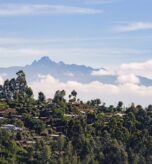
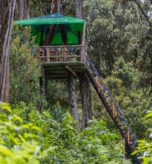
Deep in the lush montane forests on the slopes of Mount Kenya lies a promising new chapter in Kenya’s conservation journey: the official launch of the Bongo Security Site in the Ragati–Forest.
This strategic facility is designed to serve as a protected base for ranger teams, community scouts and conservation partners, all working together to safeguard one of Kenya’s most elusive and endangered species — the Mountain Bongo (Tragelaphus eurycerus isaaci).
The site signals more than bricks and mortar: it embodies a commitment to values that matter — biodiversity, community agency, habitat resilience, and Kenya’s environmental patrimony.
Saving a species on the brink
The mountain bongo is a rare and beautiful forest antelope found only in Kenya’s remaining mountain forests. According to conservation data, fewer than 80 wild individuals are estimated across fragmented habitats.
By establishing a secure base and enhanced monitoring in the Ragati–Chehe forests, the team hopes to create the conditions needed for bongo reintroduction.
Protecting forest, water, climate and community
These high-altitude forests are not only bongo habitat; they are critical water towers, climate regulators and community assets. By strengthening forest security, the project helps safeguard neighbouring communities, who depend on clean water, healthy soils and forest-based economic benefits for their livelihoods.
Turning communities into guardians
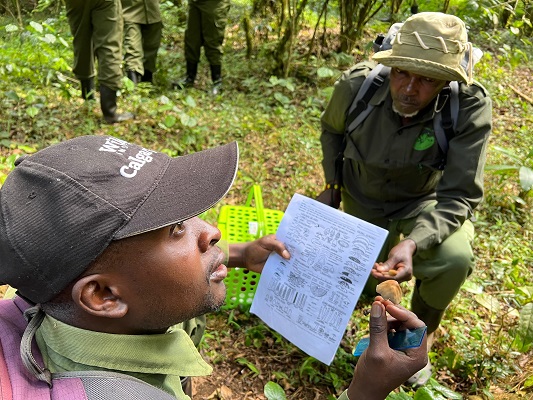
One of the most powerful shifts here is the evolving role of local forest-adjacent communities. Rather than being excluded, they are partners in protection. Community scouts and associations play active roles, helping bridge conservation goals with local aspirations.
What the site has and how it works
The security site has been developed with multiple functionalities:
- Accommodation and working quarters for rangers, scouts and conservation staff.
- Solar lighting and water storage systems, to operate off-grid in a remote forest setting.
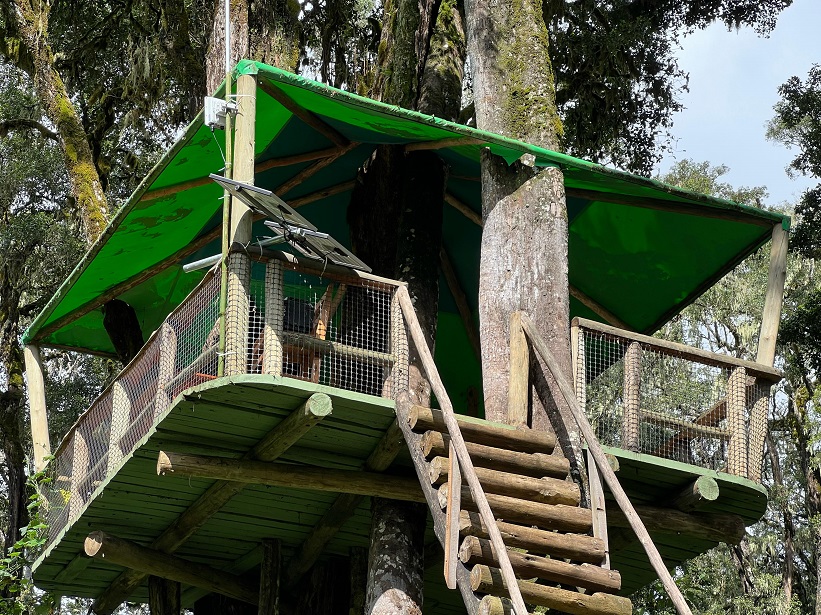
- A viewing/platform zone and infrastructure to support wildlife monitoring and potentially future reintroduction efforts.
- Integration of camera-traps and forest surveillance equipment to monitor forest fauna (and bongo presence) in real time.
In short: the site provides a strong physical base for protection, surveillance and future recovery efforts.
How this advances the conservation roadmap
The launch marks a significant milestone in Kenya’s national recovery plan for the mountain bongo.
Immediate impacts:
- Enhanced deterrence of poaching and illegal encroachment in the Ragati–Chehe forest block.
- Improved data collection on bongo and other species through camera-traps, ranger patrols and community-based monitoring.
- Strengthened community engagement — surveys show extremely high support (over 90%) from households in forest-adjacent areas for bongo reintroduction and forest co-management.
Medium-to-long term goals:
- Preparation of the habitat for possible re-introduction of mountain bongo (or supporting surviving remnant individuals) in a secure, co-managed forest.
- Building a replicable model of forest-based conservation that links species recovery, community livelihoods and ecosystem protection.
- Contributing to wider mountain-ecosystem resilience in Kenya — helping forests continue to deliver clean water, carbon sequestration and biodiversity.
Final thoughts
The launch of the Bongo Security Site in Ragati–Chehe represents a hopeful pivot in Kenya’s efforts to protect one of its most endangered species and the forest ecosystems they call home. It’s a strong reminder that species conservation isn’t just about animals — it’s about habitat, people, water, climate and the future we wish to leave for coming generations.
In the quiet mist of the Ragati and Chehe forests, the stations hum. Rangers mark trails. Cameras click. Communities gather. Bongo-shaped hope stirs. And with intentional, collaborative work, soon those chestnut-and-white-striped antelopes will once again roam safely across Kenya’s mountain slopes.